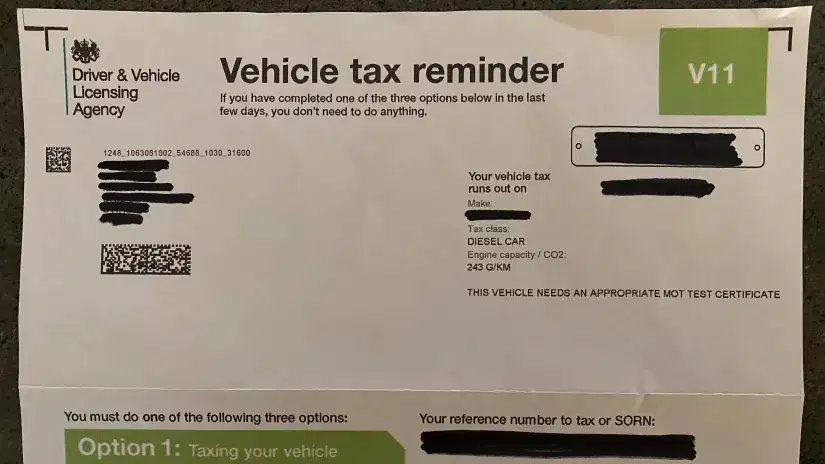
Vehicle Excise Duty (VED) rates in the UK are set to increase from April 1, 2024. This increase applies to various types of vehicles, including cars, vans, and motorcycles. The VED rates will be uprated in line with the Retail Prices Index (RPI), a standard measure used for adjusting prices based on inflation. This means the actual increase in VED will depend on the RPI at the time of the change.
The first-year car tax rates are experiencing a notable rise, approximately 10%, varying according to the CO2 emissions of the vehicle. For instance, the highest-emitting vehicles, those emitting over 255g/km of CO2, will see their first-year rate increase to £2,745 from the current £2,605. This pattern is consistent across different bands, with each band reflecting a specific range of CO2 emissions. The standard VED rate, applicable from the second year onwards, is also set to increase from £165 to £180 for most cars.
Additionally, there is a so-called ‘luxury’ car tax rate for vehicles that cost more than £40,000 when new. This rate has increased from £335 to £390 as of April 1, 2023, and must be paid each year on top of the standard VED rate for five years from the second year of registration.
These changes are part of the government’s measure to ensure that VED receipts are maintained in real terms and that motorists contribute fairly to public finances. It’s important for vehicle owners to be aware of these changes to understand how they might impact their annual vehicle expenses.
However it's not all bad news as there are several circumstances under which a vehicle can be exempt from VED:
1. Zero Emissions: Vehicles that produce zero CO2 emissions and have a list price of less than £40,000 are exempt from VED. This typically includes electric vehicles.
2. Disabled Users: If you’re a disabled driver, you might be exempt from paying VED. This includes vehicles used by a disabled person or institutions providing transport for disabled people.
3. Historic Vehicles: Vehicles over 40 years old are exempt from VED. To qualify for this exemption, the vehicle must be registered with the DVLA as a ‘historic vehicle’.
4. Electric Vehicles: As mentioned, fully electric vehicles (EVs) are usually exempt from VED, regardless of their price, if they produce zero emissions.
5. Mobility Scooters and Powered Wheelchairs: These are exempt from VED.
6. Agricultural, Horticultural, and Forestry Vehicles: Specialised vehicles used for agriculture, horticulture, and forestry purposes are exempt from VED.
To gain an exemption, you typically need to apply through the Driver and Vehicle Licensing Agency (DVLA) in the UK. The process and documentation required will depend on the basis for the exemption. For example, for a historic vehicle, you would need to prove the age of the vehicle. For a disability exemption, you would need documentation proving the disability and how it qualifies you for exemption.