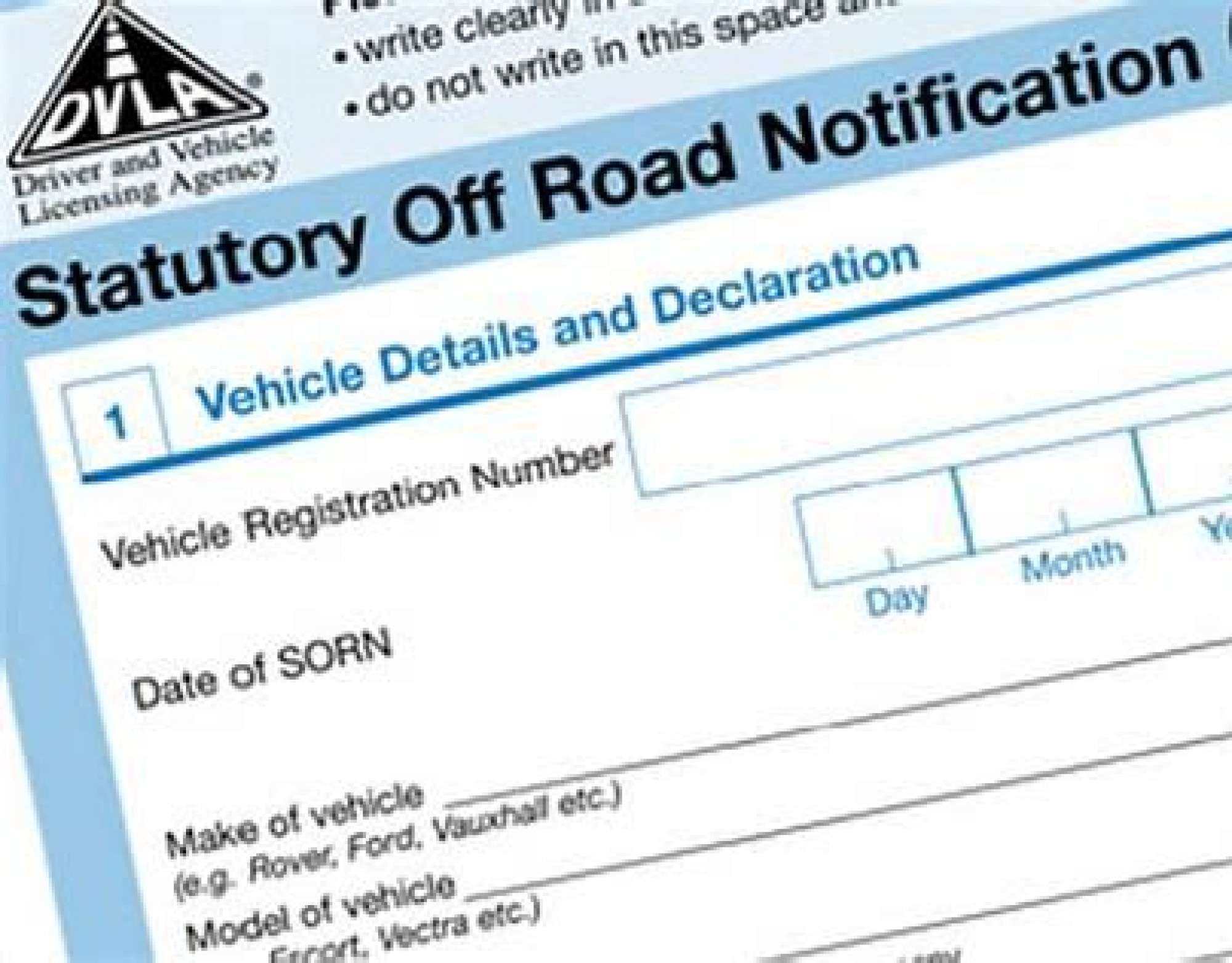
SORN Explained: The Complete Guide to Declaring Your Vehicle Off-Road
Are you currently paying tax and insurance on a car that is simply sitting in your garage gathering dust? Whether your vehicle is awaiting repairs, you are taking an extended trip abroad, or you have simply decided to take a break from driving, leaving a vehicle on the road when it is not in use is a costly mistake.
The solution is a SORN declaration. But getting it wrong can lead to fines, penalty points, and even court action.
In this complete guide, we explain everything you need to know about the Statutory Off Road Notification (SORN) process, including how to apply, how much it costs, and exactly what happens if your circumstances change.
What Does SORN Mean?
SORN stands for Statutory Off Road Notification.
It is a legal declaration made to the Driver and Vehicle Licensing Agency (DVLA) informing them that your vehicle is no longer being used on public roads.
Once a SORN is in place, your vehicle is legally allowed to be kept off-road. This means you are exempt from paying Vehicle Excise Duty (car tax), and you do not need to insure the vehicle—provided it is not parked on a public road.
Key Rules of a SORN:
-
The vehicle must be kept on private land (a driveway, garage, or private field).
-
It must not be used, parked, or kept on a public road for any reason.
-
You do not need to tax or insure it while the SORN is valid.
Why Would You Need to Declare a SORN?
There are many legitimate reasons to take a vehicle off the road. The most common include:
-
Long-term repairs or restoration: If your classic car is in the garage for months, a SORN saves you money.
-
Extended travel: If you are working abroad for a year, why pay tax on a car you can't drive?
-
Seasonal vehicles: Many motorbike and convertible owners use SORN to keep vehicles off the road during winter.
-
Breaking from driving: If you are taking a sabbatical from driving to save money.
-
Waiting to sell or scrap a vehicle: If your car is off the road while you wait to sell it privately.
When Do You Need to Declare a SORN?
You must declare a SORN immediately if any of the following situations apply to you:
-
Your vehicle tax has expired or you are about to let it expire, and you do not intend to renew it.
-
You have bought a vehicle that is not currently taxed, and you do not plan to drive it immediately.
-
You are breaking or scrapping your vehicle and it is not kept on a public road.
-
You are the registered keeper and the vehicle is not insured (though SORN exempts you from this requirement).
Warning: You cannot simply stop paying your car tax without declaring a SORN. If your tax runs out and the vehicle is on a public road without a SORN, you will face an automatic fine.
How to Declare a SORN: Step-by-Step
Declaring a vehicle off-road is a straightforward process. There are three main ways to do it, depending on your situation.
1. Online (Quickest Method)
You can make a SORN online using the DVLA’s digital service.
-
Time: Takes about 5 minutes.
-
What you need: The 11-digit reference number from your vehicle tax reminder letter (V11) or the log book (V5C).
-
Cost: Free.
-
Result: Instant confirmation.
2. By Phone
You can call the DVLA's automated SORN service.
-
Number: 0300 123 4321.
-
What you need: The 16-digit number from your vehicle tax reminder (V11).
-
Cost: Free (standard network charges may apply).
3. By Post (V890 Form)
If you prefer to apply by post, you need to fill out a V890 form.
-
Where to get it: Download it from the GOV.UK website or pick one up from a Post Office.
-
Cost: Free.
-
Processing time: Allow several weeks for the DVLA to process your application.
What Happens After You Apply?
Once your SORN is successfully registered, the DVLA will update their records immediately (if done online) or by post.
-
Tax Refund: If you have paid for your vehicle tax in full, the DVLA will automatically refund you for any full remaining months. This is sent to you via cheque or bank transfer.
-
Insurance: You can cancel your insurance policy once the SORN is active. However, check with your insurer first—some policies require you to keep the vehicle insured against fire and theft even if it's off-road.
Common SORN Mistakes That Lead to Fines
Failure to follow the correct SORN rules can land you with an £80 fine, which can escalate to £1,000 in court. Here are the most common pitfalls:
-
Parking on the road: Even if the car is broken down, taxed, and SORNed, if it sits on the public highway, you are breaking the law.
-
Forgetting to re-tax: If you had a SORN last year and then drove the car, you must tax it again before using it. The SORN does not automatically update.
-
Buying a used car: If you buy a car that is untaxed, you have 24 hours to tax it or declare a SORN. If you fail to do either, you are liable for a fine immediately.
What About Insurance? The Continuous Insurance Enforcement (CIE) Law
Even if your car is SORNed, you need to be aware of the Continuous Insurance Enforcement law.
While a SORN exempts you from the requirement to insure the vehicle for road use, if you have declared it SORN, you are legally allowed to be uninsured. However, if your SORN lapses or you cancel the SORN without taxing the vehicle, you will be in breach of the law.
Pro Tip: If your vehicle is valuable (like a classic car), speak to your insurer about "laid up" insurance. This covers fire and theft while the car is in storage, even if it’s not road-legal.
How to Cancel a SORN
If your circumstances change and you need to use your vehicle again, you must cancel the SORN before you drive it.
You cannot simply "drive it around the block" to test it. Doing so is a criminal offence.
To legally use your vehicle again:
-
Tax it: You must buy new vehicle tax. You can do this online, at the Post Office, or by phone.
-
Insure it: You must have valid insurance before the vehicle touches a public road.
-
Drive: Once the tax is purchased, the SORN is automatically cancelled, and the vehicle is legally back on the road.
SORN Checklist: Do You Need to Declare?
If you are unsure whether you need to declare your vehicle off-road, ask yourself these questions:
-
Is the vehicle kept on a driveway, in a garage, or on private land?
-
Do I have no immediate plans to drive it on public roads?
-
Is my current vehicle tax about to expire?
-
Am I currently paying insurance on a car I never drive?
If you answered yes to these questions, declaring a SORN could save you hundreds of pounds in unnecessary tax and insurance premiums.
Final Thoughts
A SORN is a simple but powerful tool for vehicle owners. It ensures you are not paying for services you aren't using, while keeping you on the right side of the law. However, the rules are strict: once the declaration is made, your vehicle must remain on private property until you tax and insure it again.
For the most up-to-date information and to apply online, visit the official GOV.UK SORN service or contact the DVLA directly.
Disclaimer: This article provides general guidance and does not constitute legal advice. Rules and regulations regarding vehicle tax and SORN are subject to change. Always check the official GOV.UK website for the latest information.