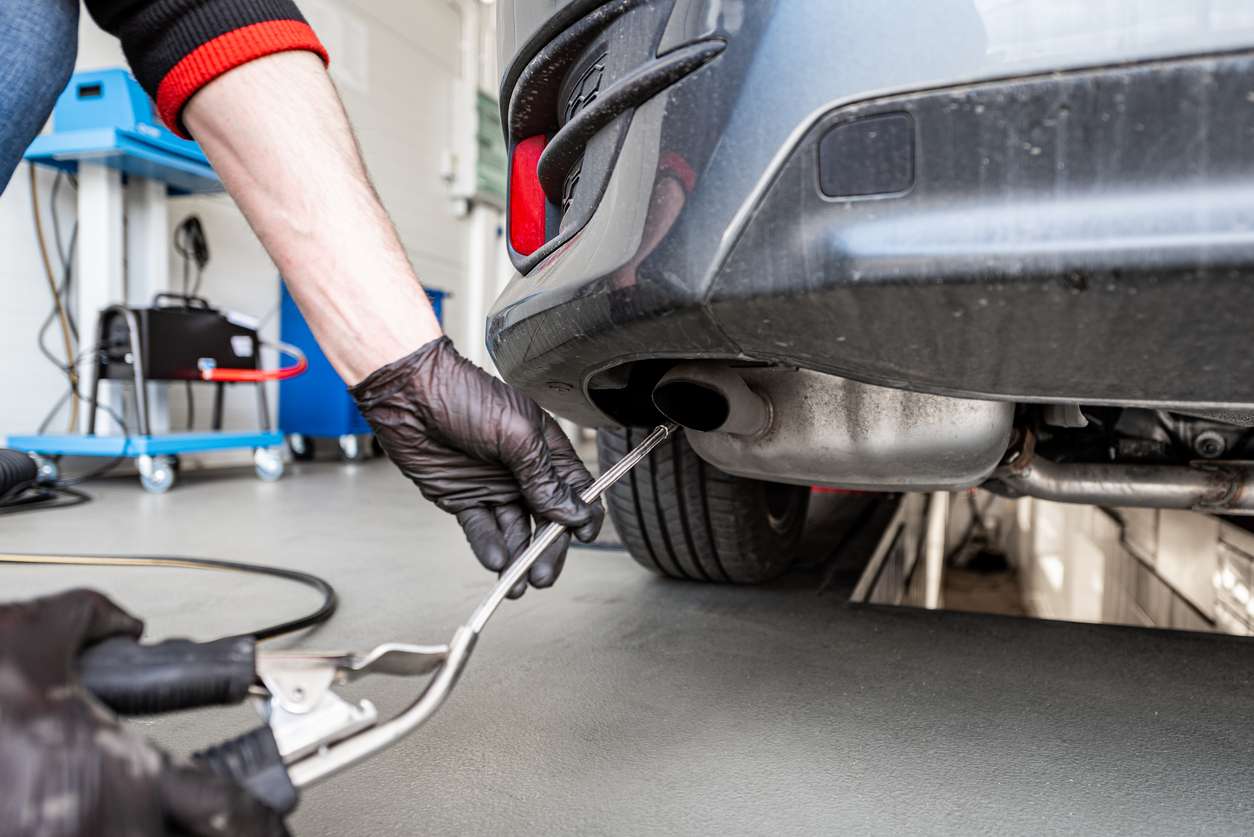
WLTP (Worldwide Harmonised Light Vehicle Test Procedure) and RDE (Real Driving Emissions) are two distinct sets of tests designed to measure the fuel economy and emissions of vehicles in a more realistic and representative manner compared to their predecessors.
1. WLTP (Worldwide Harmonised Light Vehicle Test Procedure).
- Purpose: WLTP is a globally recognized testing procedure developed to provide a more accurate representation of a vehicle's fuel consumption, CO2 emissions, and pollutant emissions. It aims to better reflect real-world driving conditions.
- Driving Cycle: The WLTP driving cycle consists of four different driving phases - low, medium, high, and extra-high speeds. It includes various driving scenarios, such as city driving, suburban roads, and highway driving.
- Testing Conditions: WLTP incorporates more dynamic and representative conditions, including higher average and maximum speeds, longer test durations, and a broader range of driving situations compared to the previous New European Driving Cycle (NEDC).
- Impact: WLTP results in generally higher fuel consumption values and CO2 emissions compared to NEDC. This shift is due to the more realistic driving conditions simulated during the test.
- Applicability: WLTP is the standard testing procedure for new car models and their official fuel consumption and emission values in many regions worldwide, including the European Union.
2. RDE (Real Driving Emissions).
- Purpose: RDE complements WLTP by focusing on measuring emissions during real on-road driving conditions. While WLTP provides laboratory-based results, RDE ensures that vehicles meet emission limits when driven on actual roads.
- Testing Conditions: RDE testing is conducted using Portable Emissions Measurement Systems (PEMS) installed on the vehicle. These devices measure pollutants emitted by the vehicle during various real-world driving situations.
- Emission Components: RDE focuses on emissions such as nitrogen oxides (NOx) and particulate matter (PM), which are challenging to control in real-world driving but have significant implications for air quality.
- Pass/Fail Criteria:Vehicles must comply with specific emission limits during RDE testing. The real driving emissions must not exceed certain thresholds to pass the test.
- Implementation: RDE has been implemented in the European Union for vehicle type approval since September 2017. It ensures that vehicles not only perform well in controlled laboratory conditions (WLTP) but also maintain low emissions during everyday driving.
- Adaptation: RDE encourages manufacturers to design vehicles with effective emission control systems that perform consistently across various driving conditions, contributing to improved air quality.
In summary, while WLTP focuses on providing more accurate lab-based fuel economy and emission values, RDE ensures that vehicles maintain low emissions during real-world driving conditions, contributing to a more comprehensive and realistic assessment of a vehicle's environmental impact. Both testing procedures work together to address the gap between laboratory-based testing and actual on-road performance.