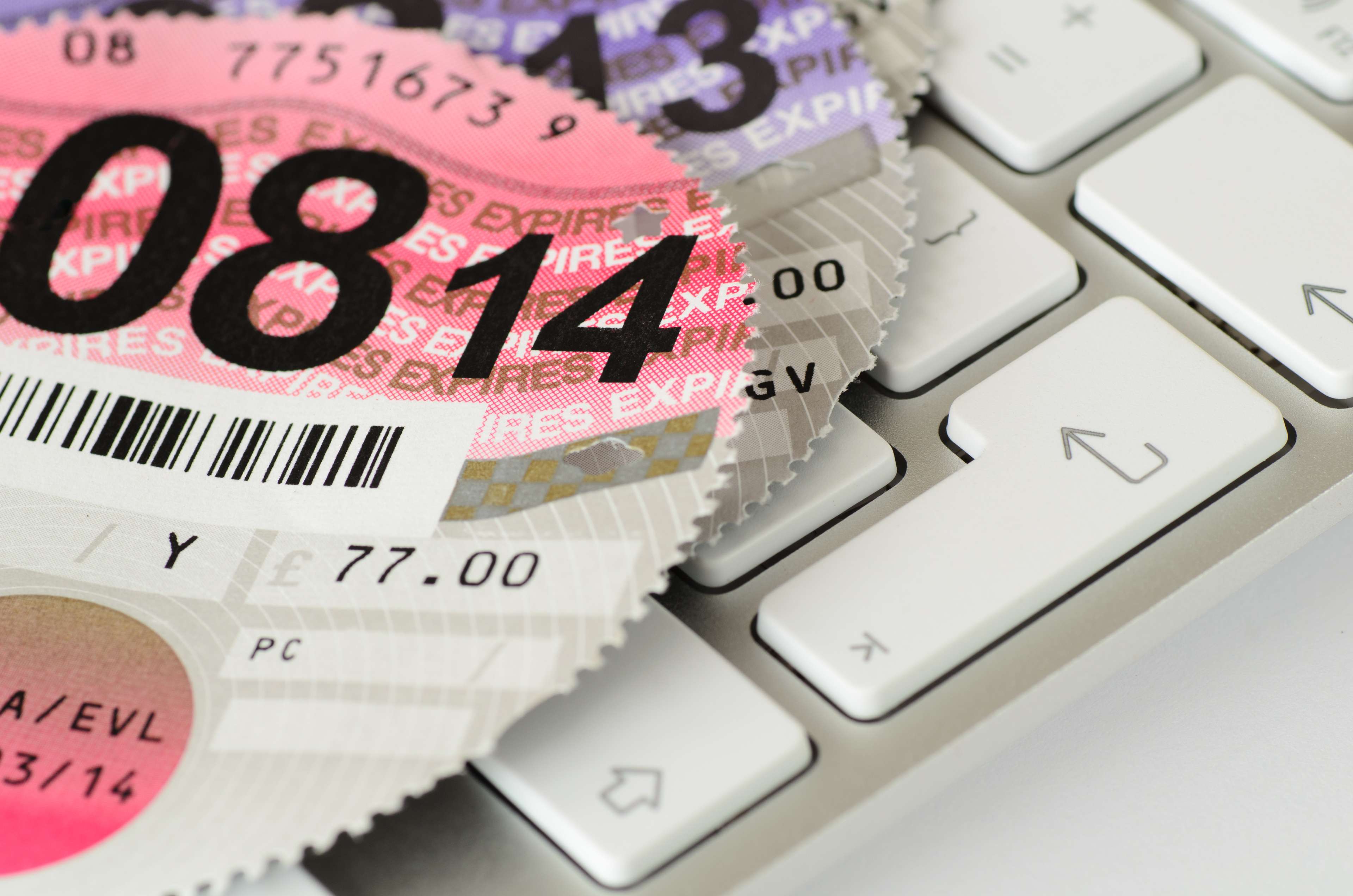
Decoding VED (Vehicle Excise Duty): A Comprehensive Guide to UK Road Tax 2023/2024
Navigating the intricacies of Vehicle Excise Duty (VED) can be a daunting task, but fear not – our comprehensive guide is here to shed light on the VED tax rates and bands for the 2023/2024 financial year. Formerly known as road tax or the road fund licence, VED plays a pivotal role in determining the costs associated with owning and operating a vehicle in the UK.
Understanding the Evolution of VED: Changes and Updates
- The VED system has undergone significant changes over the years, with the latest adjustments scheduled for April 2023 to align with inflation. The most recent major alterations occurred in April 2020, introducing calculations based on WLTP (Worldwide Harmonised Light Vehicle Test Procedure) carbon dioxide emissions figures. Notably, this shift also saw the removal of the supplement on cars exceeding £40,000 for electric vehicles.
Calculating VED: Factors Affecting Costs
Determining the cost of taxing your car involves considering various factors, primarily based on when the vehicle was first registered. The road tax system is not retroactively applied, meaning the rules in place at the time of a car's initial purchase persist throughout its life, subject to inflationary increases.
For new cars purchased today, road tax is calculated based on the current tax band system implemented on April 1, 2017, and adjusted for the 2023/24 financial year. Used cars registered before April 2017 adhere to the old VED system, even if still in production.
Two-Tiered Tax Rates: First-Year and Annual VED
The current road tax system operates under a two-tiered structure. The first-year tax rate is included in a new car's on-the-road (OTR) price and hinges on carbon dioxide emissions. This rate varies from £0 for zero-emission cars to £2,605 for models emitting 255g/km or more.
Post the first year, cars are taxed under a different system, unrelated to CO2 emissions, but influenced by the car's initial cost. Both the first and subsequent years' tax rates are affected by the car's power source – electricity, conventional fuel, or a hybrid combination.
Breaking Down First-Year VED Road Tax Rate
The first-year road tax is determined by carbon dioxide emissions, ranging from £0 for zero-emission cars to £2,605 for those emitting 255g/km or more. Formerly, new diesel cars faced a higher first-year rate due to not meeting the latest emission standards (RDE2). However, since January 2021, compliance with RDE2 is a legal requirement for new diesel cars.
From April 1, 2025, electric cars lose their VED exemption, subject to the lowest first-year rate of £10.
Current Annual VED Road Tax Rate
The standard annual road tax rate for the 2023/2024 tax year is £180, up from £165 in the previous year. A £10 annual discount is applicable for alternatively fueled vehicles, resulting in a £170 annual fee. Cars exceeding £40,000 face a supplementary charge of £390 annually for five years, commencing from the second year. Fully electric cars enjoy exemption from this supplement, as well as both first-year and annual road tax charges.
Flexible Payment Options and Direct Debit
Motorists can opt to pay road tax annually or monthly, with the latter incurring a 5% surcharge on top of the tax amount. Despite the additional cost, monthly payments offer a convenient option for spreading the financial burden and avoiding lapses in tax payment. Electric cars, losing their VED exemption in 2025, will revert to the standard annual rate for the second year onwards.
Navigating Road Tax for Different Registration Periods
Cars registered between March 1, 2001, and March 31, 2017, follow emissions-based taxation introduced in 2001. The rates for this period remain frozen, subject to inflationary increases.
For cars registered before March 1, 2001, road tax is based on engine capacity:
- Cars over 1,549cc: £325 annually
- Cars under 1,549cc: £200 annually
Paying Your VED: Simple and Convenient
Paying your VED is a straightforward process, facilitated through the Gov.uk website. Options include online payments, telephone transactions, or in-person payments at most Post Offices. Motorists can also leverage the DVLA's 24-hour vehicle tax service by calling 0300 123 4321.
Understanding Statutory Off Road Notification (SORN)
For periods exceeding six months of non-use, motorists can declare a Statutory Off Road Notification (SORN) to avoid road tax payments. SORN, however, is applicable only if the vehicle has off-street parking or a designated storage space away from public highways. Declaring SORN can be done online or by using the renewal code provided in DVLA reminders