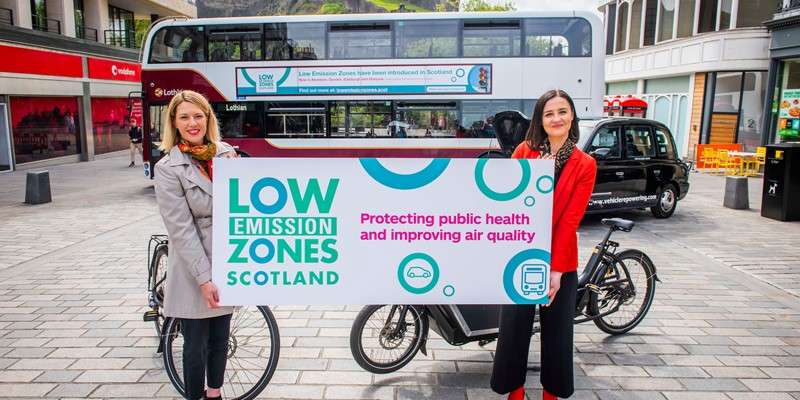
Edinburgh Council is investing £55 million to replace over 1,000 vehicles, ensuring compliance with the city's newly established Low Emission Zone (LEZ). This strategic investment, aligned with the council's ambitious net-zero target by 2030, spans a diverse range of vehicles, including 50 refuse collection trucks, street cleaning vans, sweepers, and the Lord Provost's two civic cars.
While a considerable number of vehicles will transition to electric, the financial impracticality prompts equipping new heavy goods vehicles (HGVs) with modern, LEZ-compliant engines. Commencing from June next year, the LEZ will impose restrictions on the entry of the most polluting vehicles into the city center. Broadly, this regulation applies to diesel-powered cars registered after September 2015 and petrol vehicles registered after January 2006, with a £60 fine for non-compliance. Notably, exemptions are granted to blue badge holders, emergency services, motorbikes, and mopeds.
With a current fleet of 801 vehicles owned and 547 leased from a third party, the council aims to replace two-thirds of its fleet. This initiative not only ensures LEZ compliance but also stimulates the creation of new in-house maintenance jobs. A comprehensive report underscores that 282 council vehicles currently on the roads fail to meet LEZ requirements and will be prioritized for replacement.
Subject to approval, 27% of the council's fleet will transition to electric, aligning favorably with standards set by other Scottish and UK councils. The proposed overhaul, with an estimated cost of £56.8 million, will primarily be financed through borrowing (£51.6 million), supplemented by proceeds from vehicle disposals (£2 million) and reserves (£3.2 million). The overall expenditure for the council, including interest payments, is projected at £59.8 million over the next seven years.
While research indicates potential fuel savings from electric vehicles, the financial model for this plan cautiously refrains from explicit consideration. Nonetheless, any accrued fuel savings will be regarded as additional benefits to the budget. The council remains committed to exploring external funding opportunities, particularly for electric vehicle charging infrastructure, with successful bids expected to mitigate the required capital funding.
The comprehensive plan secured approval at the Finance and Resources Committee on Tuesday, November 21.