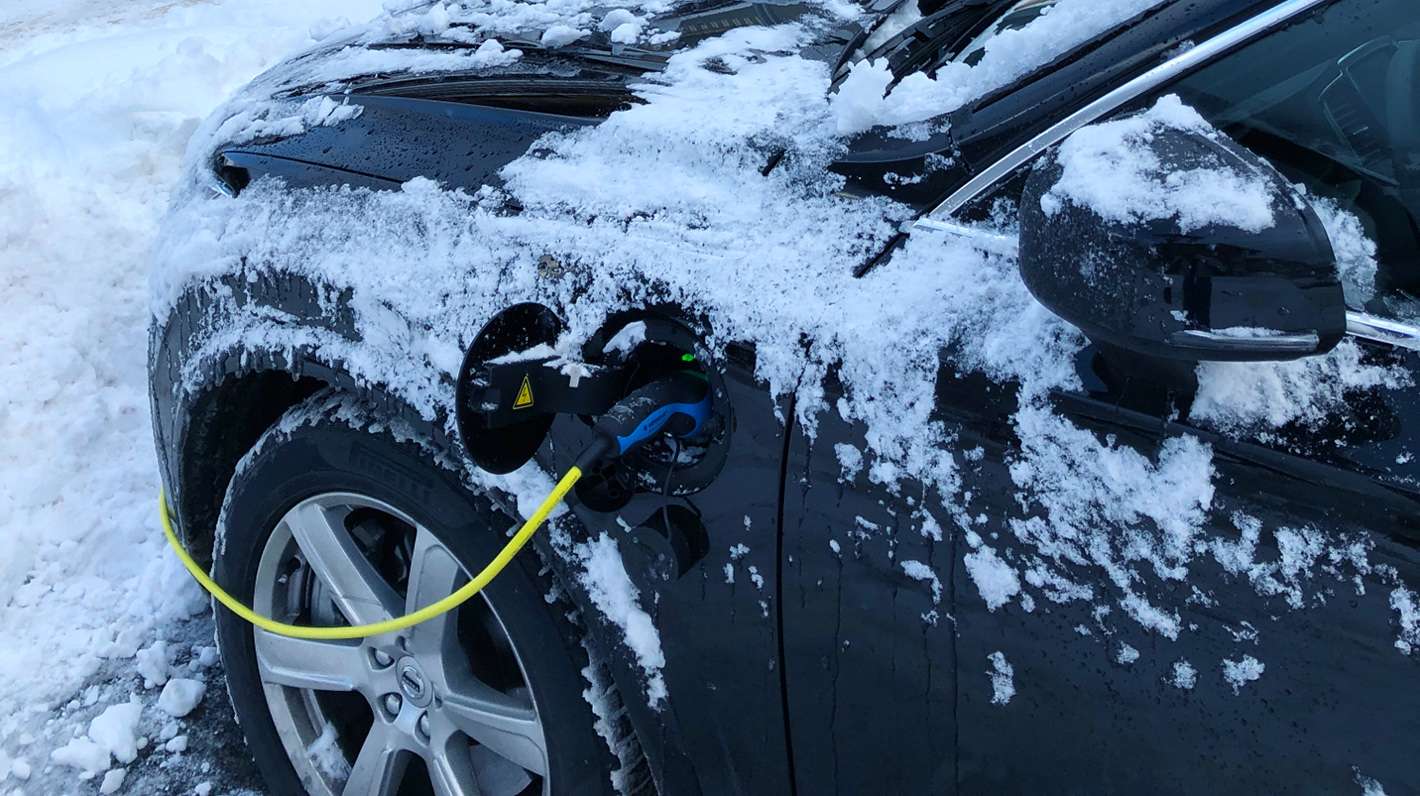
Electric vehicle (EV) owners across the UK are being cautioned about the challenges posed by freezing temperatures, following recent reports of difficulties in the United States, where Tesla owners in Chicago faced issues with charging their vehicles in extreme cold. With temperatures dipping as low as -14C, experts and automobile associations are offering guidance to ensure the reliability and efficiency of EVs during cold snaps.
Edmund King, President of the Automobile Association (AA), has emphasized the importance of proactive measures for EV owners. King advises keeping EVs plugged in overnight and utilizing pre-conditioning features, which many models offer through mobile apps. This approach helps maintain battery temperature, aiding in charging efficiency and vehicle readiness.
The crux of the issue lies in the lithium-ion batteries that power most EVs. These batteries operate through a process known as electrolysis, involving a reaction in a lithium salt electrolyte solution. However, cold temperatures significantly slow this reaction, impacting the battery’s ability to generate power efficiently. In some cases, it can take up to an hour for the battery to warm up to a state where it can charge and perform at its usual capacity.
This phenomenon has led to notable incidents in the U.S., particularly in regions accustomed to more severe winter temperatures. Some Tesla drivers found their vehicles inoperable after attempting to charge them in extreme cold. Tyler Beard, a Tesla owner, reported an unsuccessful attempt to charge his car over a period of six hours across two days, with the battery level remaining at 0%. This has led to scenes of charging stations becoming unintended holding areas for unchargeable EVs, humorously referred to by one individual as “a bunch of dead robots.”
Despite these concerns, King offers reassurance to UK-based EV drivers. The UK’s generally milder winter conditions compared to parts of the U.S. mean that such extreme scenarios are less likely. Furthermore, he notes that the incidence of EVs running out of charge is relatively low, accounting for just over 2% of EV breakdowns. He attributes the higher incidence of such issues in the U.S. to vehicles being left in the cold overnight before charging, a situation less common in the UK.
This situation underscores the growing pains of the EV market as it adapts to diverse environmental conditions. While EV technology continues to advance, owners are encouraged to adapt their usage habits during colder months to ensure optimal performance and reliability of their vehicles.